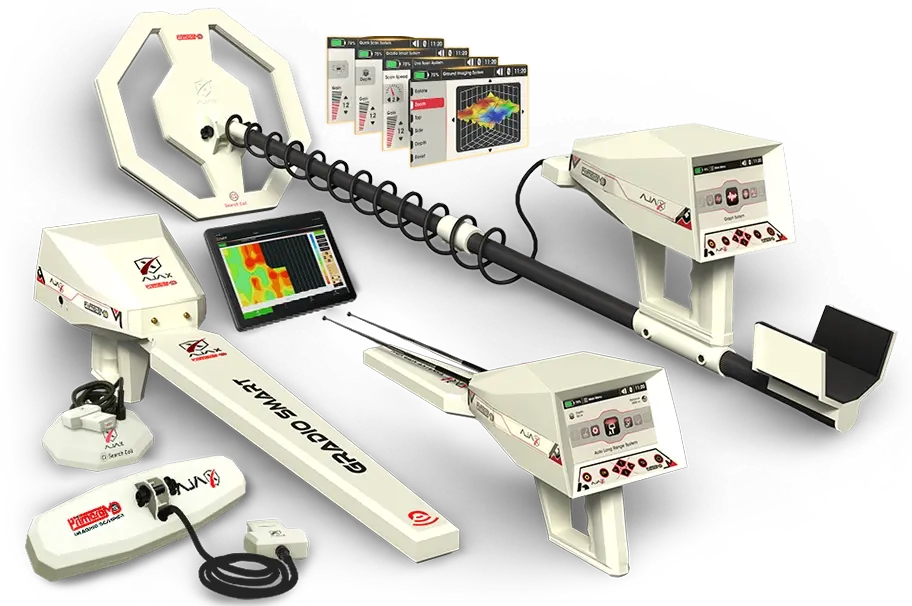
Gold Detector Machine: How It Works and How to Choose the Right One
Updated: Oct 6
A gold detector machine is designed to detect gold and other metallic targets beneath the ground using specialized detection technologies. Depending on the system, these devices can be used for natural gold prospecting, locating buried metallic objects, or analyzing underground targets. Detection performance depends on factors such as detector technology, target size, soil mineralization, search conditions, and correct device configuration.
What Is a Gold Detector Machine?
A gold detector machine is an electronic detection system designed to identify metallic targets beneath the ground. Different detectors use different technologies, including Pulse Induction, multi-frequency detection, electromagnetic sensing, and other specialized search systems.
Because gold can occur as very small natural nuggets or as larger buried objects, the appropriate detection technology depends on the type of gold being searched for. A detector designed for small natural gold, for example, may have different operating characteristics from a system intended for larger and deeper metallic targets.
How Does a Gold Detector Machine Work?
A gold detector machine transmits signals into the ground and analyzes the response produced by metallic objects. When a target interacts with the detector’s electromagnetic field, the system processes the returned signal and provides the user with an audio, visual, or numerical indication.
The exact detection method depends on the technology used. Some detectors are optimized for sensitivity to small gold nuggets, while others are designed to provide stable performance in mineralized soils or to locate larger metallic targets at greater depths.
Search coil size, target size and orientation, soil mineralization, moisture, electromagnetic interference, and detector settings can all influence detection performance. For this reason, there is no single detection depth that applies to every gold detector machine.
Types of Gold Detector Technologies
Gold detector machines can use different detection technologies depending on the intended search application. Understanding these technologies helps users choose a detector that matches the type of target and ground conditions.
Gold detector machines can use different detection technologies depending on the intended search application. Understanding these technologies helps users choose a detector that matches the type of target and ground conditions.
Pulse Induction (PI)
Pulse Induction detectors transmit powerful electromagnetic pulses into the ground and analyze the returning signals. PI technology is commonly used for gold prospecting because it can provide stable performance in highly mineralized ground where soil conditions may interfere with other detection methods.
VLF and Multi-Frequency Detection
VLF and multi-frequency metal detectors are commonly used for detecting coins, jewelry, relics, and natural gold. Depending on the detector and search coil, these systems can provide good sensitivity to small targets and useful target identification and discrimination features.
3D Ground Scanning Systems
3D ground scanning systems collect and process subsurface data to help visualize anomalies beneath the ground. Unlike conventional metal detectors, their primary purpose may include analyzing underground structures and anomalies rather than simply producing an audio response when a metallic target is detected.
How Deep Can a Gold Detector Machine Detect?
There is no single detection depth that applies to every gold detector machine. Detection depth depends on the detector technology, target size, target orientation, search coil, soil conditions, mineralization, moisture, and device settings.
Small natural gold nuggets are generally detected at shallower depths than larger metallic targets. Larger objects can usually produce a stronger response and may therefore be detectable at greater depths under suitable conditions.
Manufacturer depth specifications should also be considered in context, as actual field performance can vary significantly depending on the target and environment. For this reason, choosing a detector based only on an advertised maximum depth is not recommended.
How to Choose the Best Gold Detector Machine
Choosing the best gold detector machine depends on what you want to find, where you plan to search, and the ground conditions in the search area. A detector that performs well for small natural gold nuggets may not be the best option for locating larger and deeper metallic targets.
For natural gold and small nuggets, sensitivity to small targets and stable operation in mineralized soil are important. For larger or deeper targets, users should consider detection technology, search coil or sensor configuration, ground handling, and the size of the expected target.
Other important factors include ease of use, ground balance, target discrimination, battery life, waterproofing, available search modes, and the level of experience required to operate the detector effectively.
Rather than choosing a gold detector machine based only on maximum advertised depth, users should compare the detector’s technology and capabilities with their specific search application and ground conditions.
Professional Gold Detector Machines
Professional gold detector machines are available with different technologies and search systems. The appropriate choice depends on whether the main objective is natural gold prospecting, searching larger areas, locating deeper metallic targets, or analyzing underground anomalies.
The Ajax Primero MD15 combines multiple search systems in one professional platform and is designed for different gold and underground detection applications.
The Nokta Magnetar 9000 is designed specifically for natural gold prospecting. Its Pulse Induction technology is intended for detecting gold nuggets and smaller gold targets in challenging and highly mineralized ground.
The BR Gold Step Pro Max provides a different detection approach for users searching for gold and underground targets across larger search areas.
The Ajax Ares combines different search methods for gold prospecting and target localization, providing another option for users investigating larger areas and potential underground targets.
The Ajax Gamma combines multiple detection systems with 2D and 3D ground scanning capabilities for users who require additional visualization and analysis of underground anomalies.
The Nokta Invenio Pro combines metal detection with 3D target visualization, allowing users to analyze detected underground targets and obtain additional information about their position and characteristics.
The XP XTREM Hunter XTR-115 is a professional two-box deep-seeking detector designed primarily for locating large and deeply buried metallic objects. It is particularly suitable when the search objective involves large metal targets at greater depths rather than very small natural gold nuggets.
Frequently Asked Questions About Gold Detector Machines
Can a gold detector machine detect real gold?
Yes. Gold is a conductive metal and can be detected by suitable metal detection systems. Performance depends on the size and depth of the gold target, detector technology, soil conditions, mineralization, and device settings.
Can a gold detector machine find small gold nuggets?
Yes. Detectors designed for natural gold prospecting can detect small gold nuggets. Sensitivity depends on factors such as nugget size, search coil, operating technology, mineralization, and detector settings.
Which technology is best for gold detection?
There is no single technology that is best for every gold-search application. Pulse Induction is commonly used in mineralized ground, while VLF and multi-frequency systems can provide high sensitivity and target discrimination for different types of searches.
Can gold detectors work in mineralized soil?
Yes, but mineralized soil can affect detector performance. Detectors designed for gold prospecting often include technologies and ground-balancing features that help reduce interference from difficult ground conditions.
Are 3D ground scanners the same as gold detectors?
No. A conventional gold metal detector and a 3D ground scanner work differently. Metal detectors respond to metallic targets, while 3D ground scanning systems are designed to collect and visualize subsurface data and anomalies. Some professional systems combine multiple detection methods.
How much does a professional gold detector machine cost?
Prices vary considerably depending on the detection technology, number of search systems, included accessories, and intended professional application. Buyers should compare the detector’s capabilities with their actual search requirements rather than choosing solely by price.
Final Thoughts
A gold detector machine should be selected according to the type of target, ground conditions, search area, and detection technology required. Natural gold nuggets, large buried metallic objects, and underground anomalies require different detection approaches, so no single system is ideal for every application.
Professional detectors from manufacturers such as Ajax, Nokta, BR Systems, and XP Metal Detectors offer different technologies for different search requirements. Understanding these differences helps users choose a system that is better suited to their specific detection needs.
At Elite Detectors, customers can explore and compare professional gold detectors, metal detectors, and ground scanning systems from multiple manufacturers for different detection applications.